


- Home
- About Us
- Practice Areas
- Criminal Defense
- Violent Crimes
- Domestic Violence
- Gun Crimes
- Sex Crimes
- Drug Crimes
- White Collar Crimes
- Other Crimes
- Juvenile Cases
- Bench Warrants
- Extradition
- Asset Forfeiture
- Restoration of Civil Rights
- What if I Miss my Court Date?
- Conditions of Pretrial Release
- Criminal Appeals
- Notary Misconduct
- Record Sealing/Expungement
- Federal Crimes
- DUI
- Traffic
- Criminal Defense
- Case Results
- Media
- Blog
- Contact
Can You Return Home After a DUI Arrest in Florida?
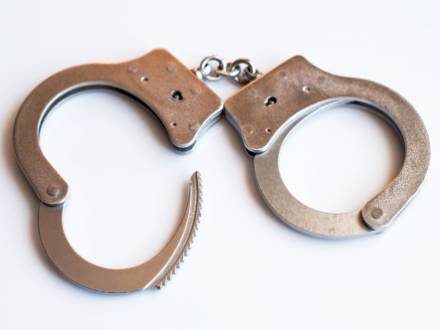 In most cases, you can return home after a DUI arrest in Florida, but it is not always immediate. Whether you go home the same night or spend time in custody depends on several factors, including whether you are considered a flight risk, whether you can post bail, and whether there are any conditions attached to your release. The process can feel confusing and overwhelming, especially in the hours right after you are arrested. If you or someone you care about has been arrested for DUI in 2026, a Miami-Dade County, FL DUI defense lawyer can help you understand what happens next and work to get you home as quickly as possible.
What Happens Right After a DUI Arrest in Florida?
After a DUI arrest, you are taken to a local jail or detention facility to be processed. This is called booking. During booking, your personal information is recorded, your belongings are collected, and you may be photographed and fingerprinted. You will be held until one of the following happens: you are no longer considered impaired, your blood alcohol level drops below 0.05, or at least eight hours have passed since your arrest. In some cases, bail may also be required before you are released.
In Florida, first-time DUI offenders who are cooperative and do not pose a danger to the public are often released within a few hours once they sober up. However, if there were aggravating factors involved, such as a very high blood alcohol level, a minor in the vehicle, or an accident, you may be held longer or required to post bail before being released.
What if You Are From Out of State?
If you were visiting Florida when you were arrested, the process works the same way, but the stakes can feel higher. Out-of-state drivers are sometimes seen as a greater flight risk because they do not have local ties, which can affect bail decisions. You may also need to return to Florida for court dates even after you go home, which is something an attorney can help manage. In some cases, an attorney can appear on your behalf so that you do not have to travel back for every hearing.
What Is the Difference Between Being Released on Your Own Recognizance and Posting Bail in FL?
Being released on your own recognizance, often called an ROR release, means the court lets you go without requiring any money up front. You simply promise to show up for all future court dates. This option is more common for first-time offenders with no prior criminal history and strong community ties.
Posting bail means paying a set amount of money as a guarantee that you will return for your court appearances. If you cannot afford the full bail amount, you can work with a bail bondsman who will post the bail for a fee, usually around 10 percent of the total bail amount. Under Florida Rule of Criminal Procedure 3.131, a defendant generally has the right to a reasonable bail in most cases unless the court finds a specific reason to deny it.
Are There Conditions You Have To Follow After Being Released Following a DUI Arrest?
When you are released after a DUI arrest in Florida, the court will typically attach conditions to your release. These conditions are designed to make sure you show up for your court dates and do not pose a risk to others while your case is pending. Common release conditions include:
-
Not consuming alcohol or drugs while the case is pending
-
Not driving without a valid license
-
Attending all scheduled court appearances
-
Surrendering your passport if you are considered a flight risk
-
Installing an ignition interlock device on your vehicle in some cases
-
Submitting to random alcohol or drug testing
Violating any of these conditions can result in your release being revoked and you being taken back into custody until your case is resolved.
What Happens to Your Driver's License After a DUI Arrest in Florida?
After a DUI arrest, your driver's license situation is handled separately from the criminal case. Under Florida Statute § 322.2615, when you are arrested for DUI in Florida, your driver's license is typically taken by the arresting officer, and you are given a temporary driving permit that is valid for 10 days. During those 10 days, you have the right to request a formal review hearing with the Florida Department of Highway Safety and Motor Vehicles to challenge the suspension.
If you do not request a hearing within 10 days, the suspension goes into effect automatically. This is one of the most important deadlines in the entire DUI process, and it often catches people off guard because it runs at the same time that everything else is happening after an arrest.
What Should You Do in the First 24 Hours After a DUI Arrest?
The first 24 hours after a DUI arrest are critical. Important things to be careful about during that window include:
-
Do not make any statements to police or investigators without an attorney present.
-
Note whether your 10-day window to request a license hearing has started.
-
Write down everything you remember about the stop, the arrest, and what was said.
-
Contact a DUI defense attorney as soon as possible so the 10-day deadline does not pass.
The sooner you get legal help, the more options you are likely to have. Evidence can fade, deadlines can pass, and decisions made in those first hours can shape how the rest of the case unfolds.
Schedule a Free Consultation With Our Miami DUI Defense Attorney
A DUI arrest can be stressful and overwhelming, and you should not have to navigate what comes next on your own. The Miami-Dade County, FL DUI defense lawyer at The Hoffman Firm is experienced and aggressive when it counts, and treats every client with the compassion and personalized attention their case deserves. Call 305-249-0090 to learn more about building a strong defense. We are available 24/7.






FORT LAUDERDALE OFFICE
200 SE 6th St., # 605,
Fort Lauderdale, FL 33301
 MAP & DIRECTIONS|954-524-4474
WEST PALM BEACH
561-655-3272
FOLLOW US:


SCHEDULE A FREE CONSULTATION
Results listed are not a guarantee or indication of future case results.
15536 Biscayne Blvd., North Miami, FL 33160 |
305-249-0090